Fraxel Re:store Laser Resurfacing
Sun damage does not arrive all at once. It accumulates — a summer at the lake, a decade of commutes with your left arm in the window, the years before anyone told you to wear sunscreen in February. Then one day the mirror shows it all at once.
Fraxel Re:store is the laser we reach for when skin needs real resurfacing but life does not allow for weeks of recovery. It treats the damage below the surface while leaving most of the skin intact, which is why it works so well and heals so quickly.
What is Fraxel Re:store?
Fraxel Re:store is a non-ablative fractional laser. Both halves of that description matter.
Fractional means the laser treats a fraction of your skin at a time. Instead of removing the entire surface, it delivers thousands of microscopic columns of energy into the skin, leaving healthy untreated tissue in between every treated zone. That surrounding tissue is what drives the healing — it repairs the treated columns from all sides at once. A full-surface laser has no such reserve, which is why it takes weeks to recover from.
Non-ablative means the laser passes through the surface of your skin rather than removing it. The energy is absorbed in the deeper layer, where it stimulates new collagen, while the outer layer stays intact as its own bandage.
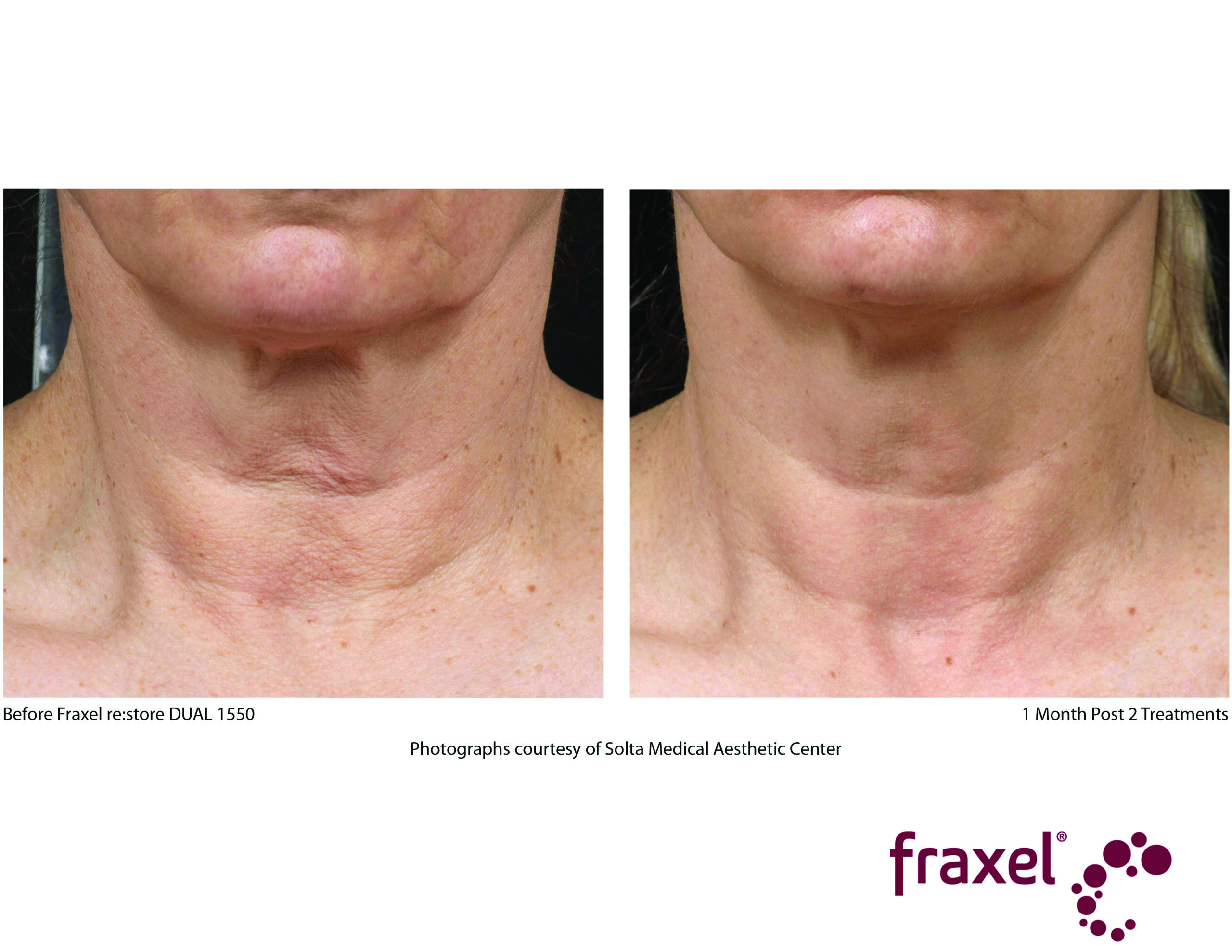
Together, that combination gives you resurfacing results with days of downtime instead of weeks — and the ability to treat the face, neck, chest and hands, which are the areas that show sun damage first and are hardest to treat safely.
What Fraxel Re:store treats
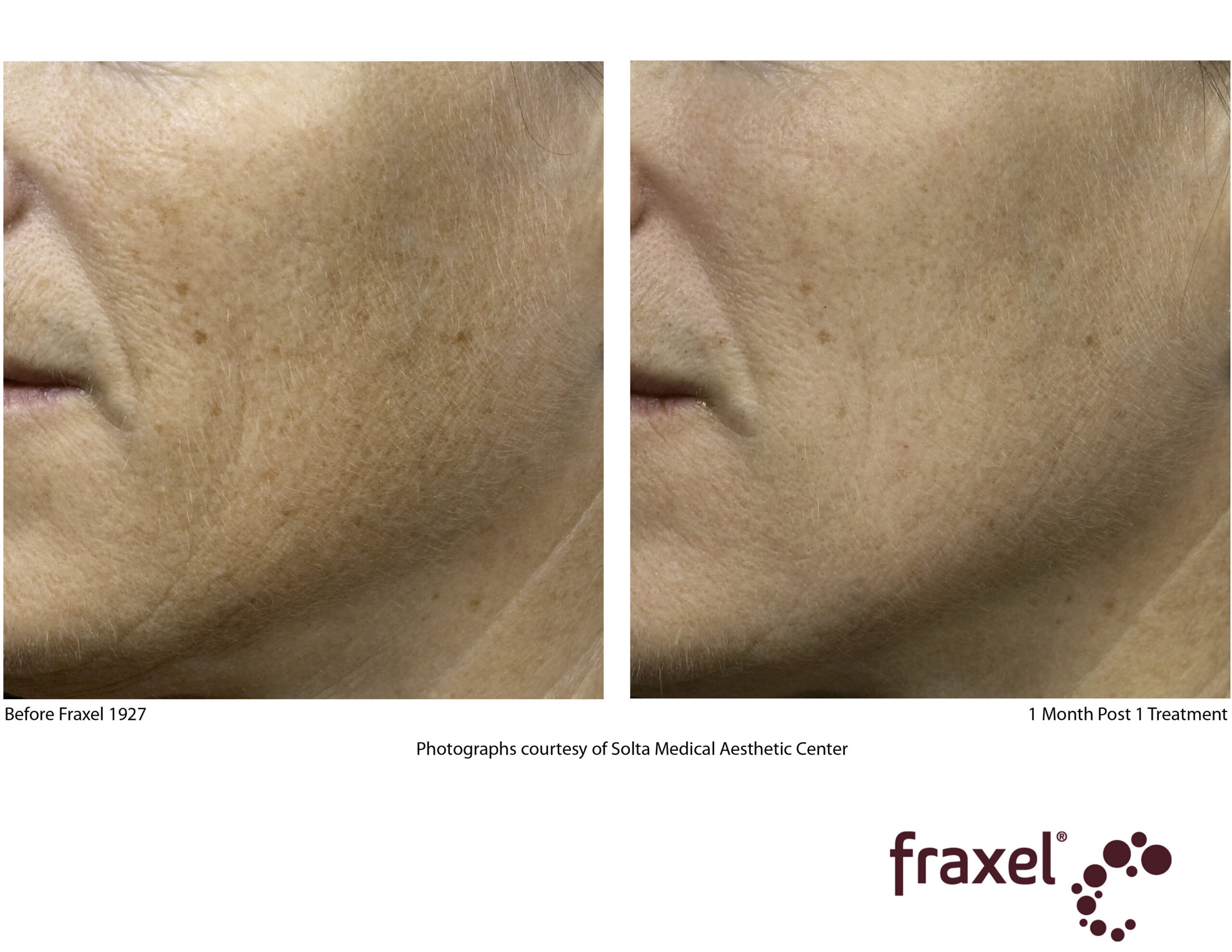
Fraxel Re:store is FDA-cleared for skin resurfacing and is used to treat:
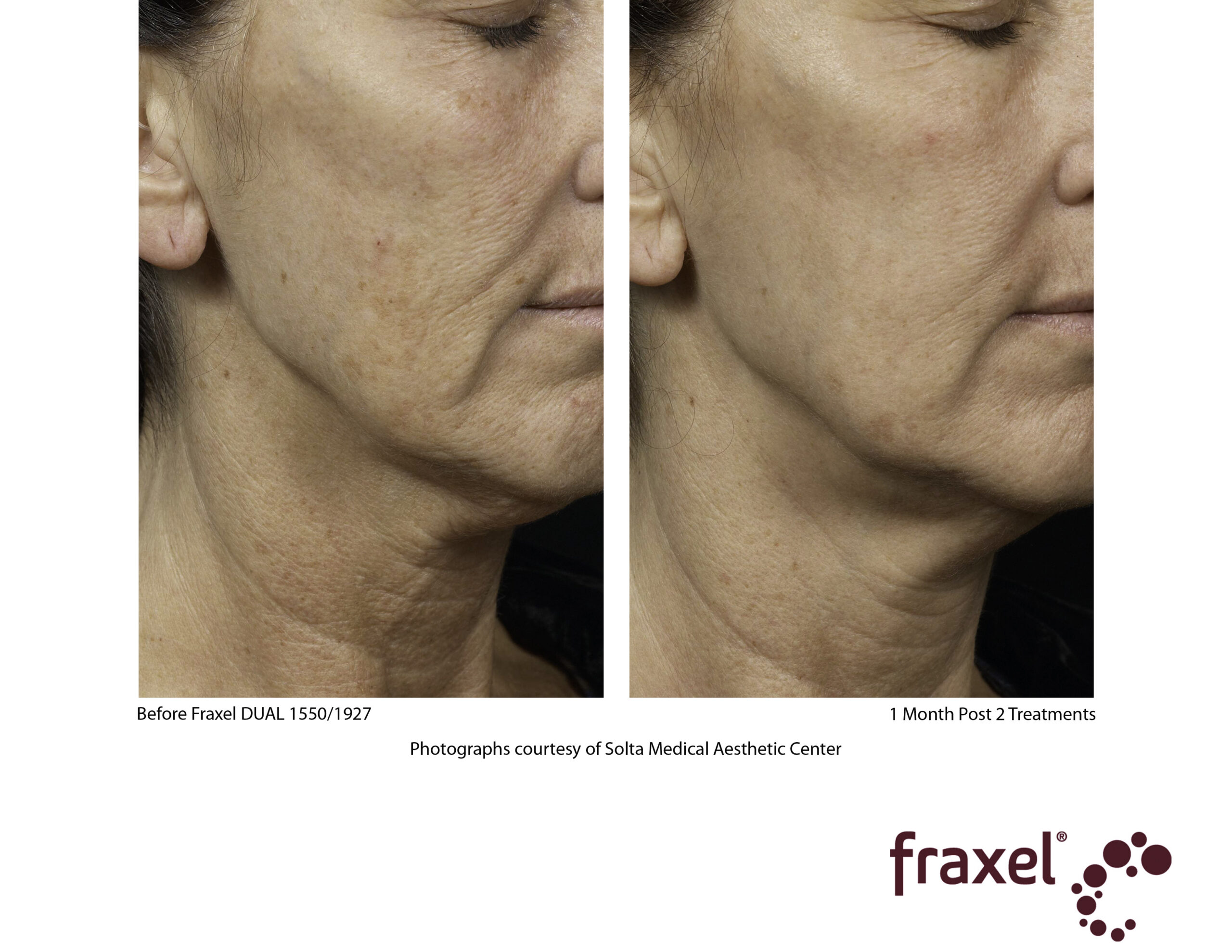
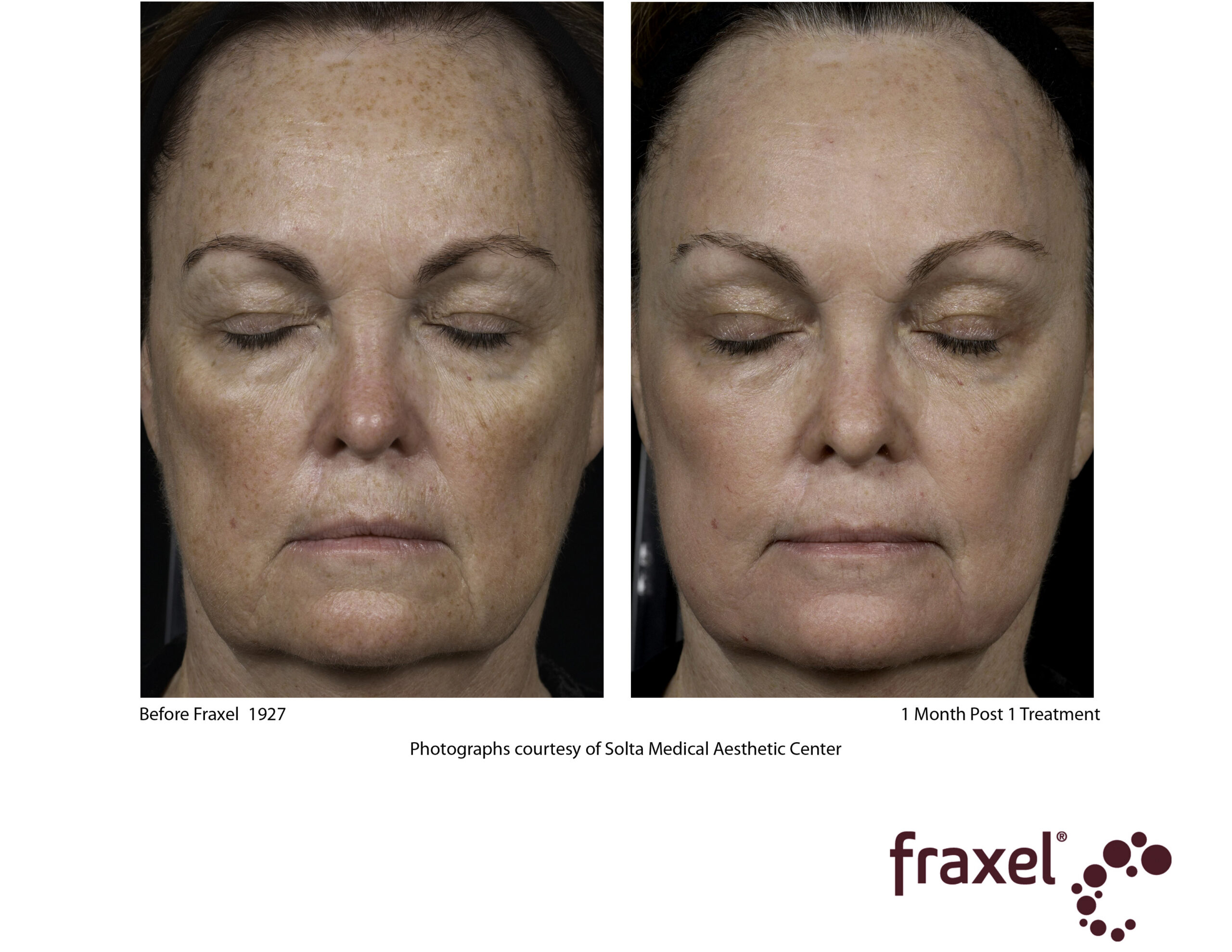
- Fine lines and wrinkles, particularly around the eyes
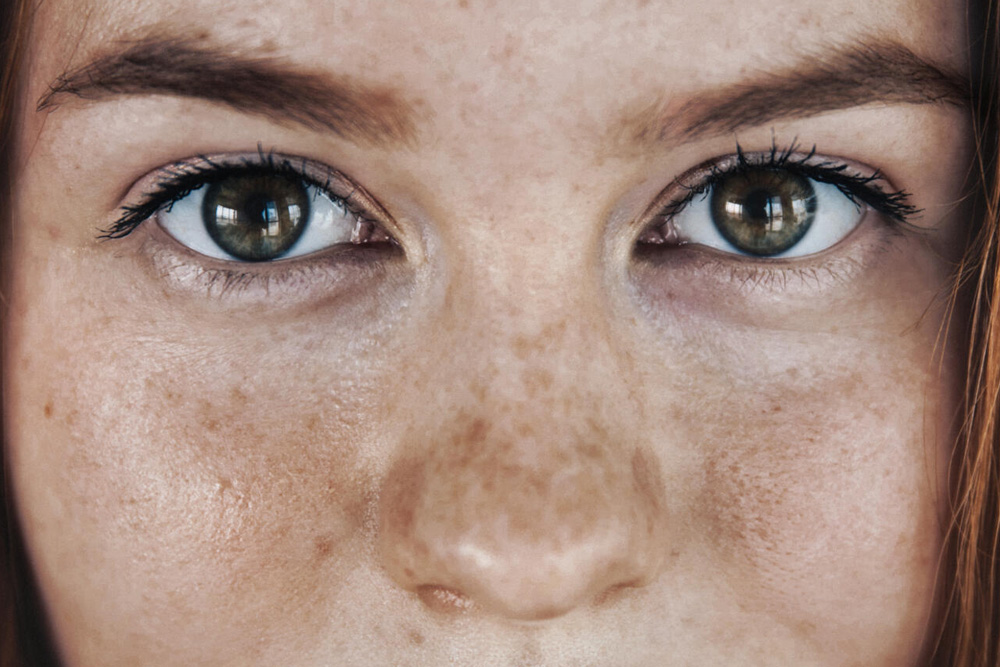
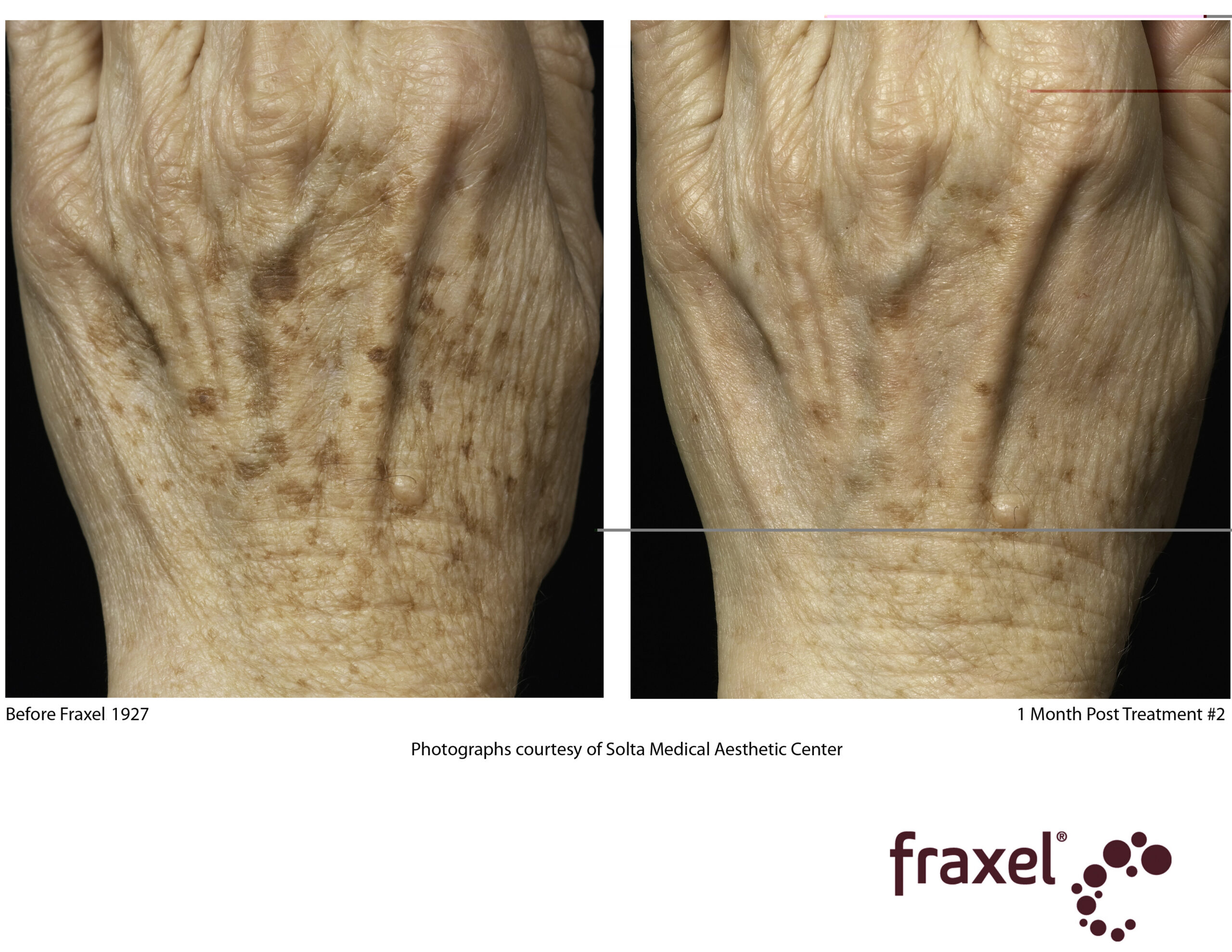
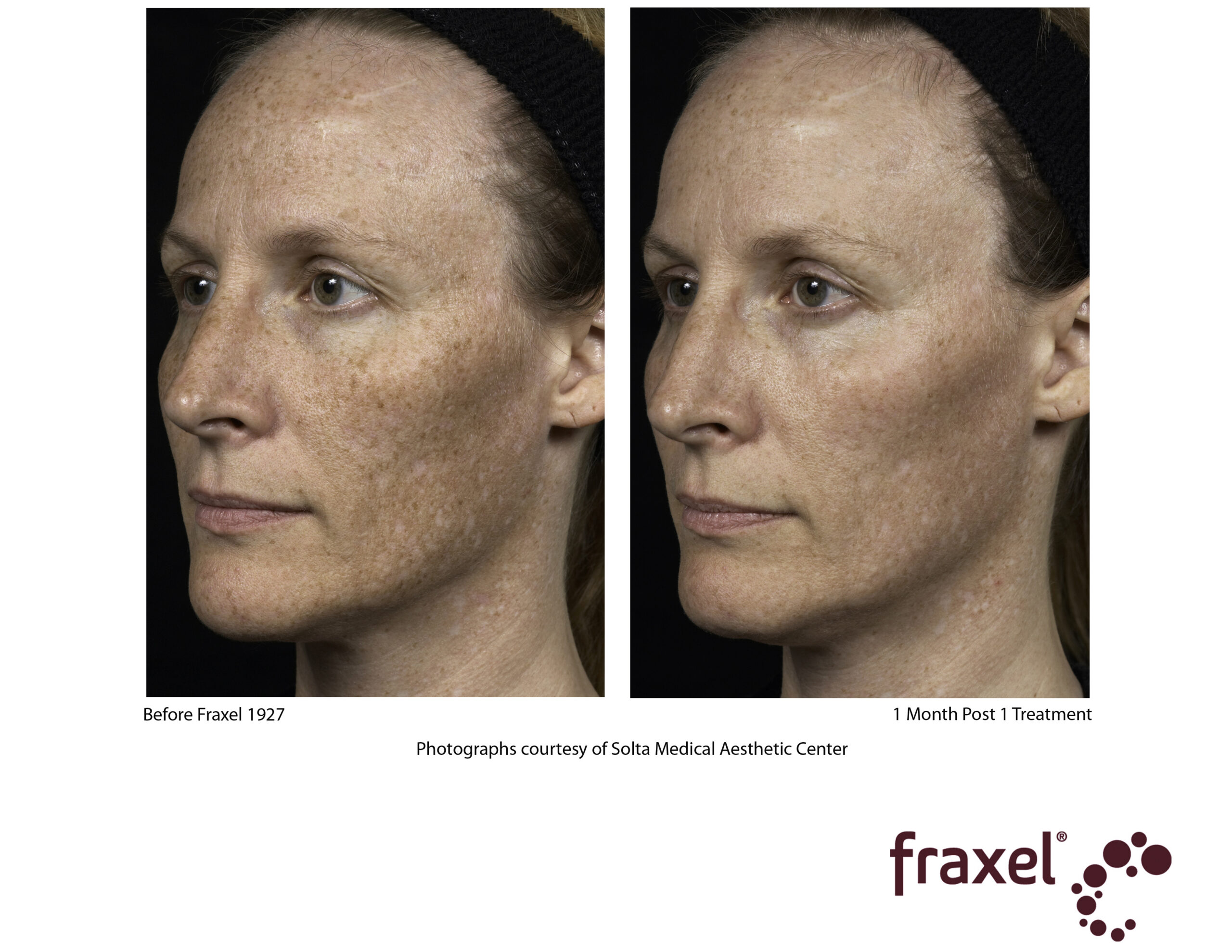
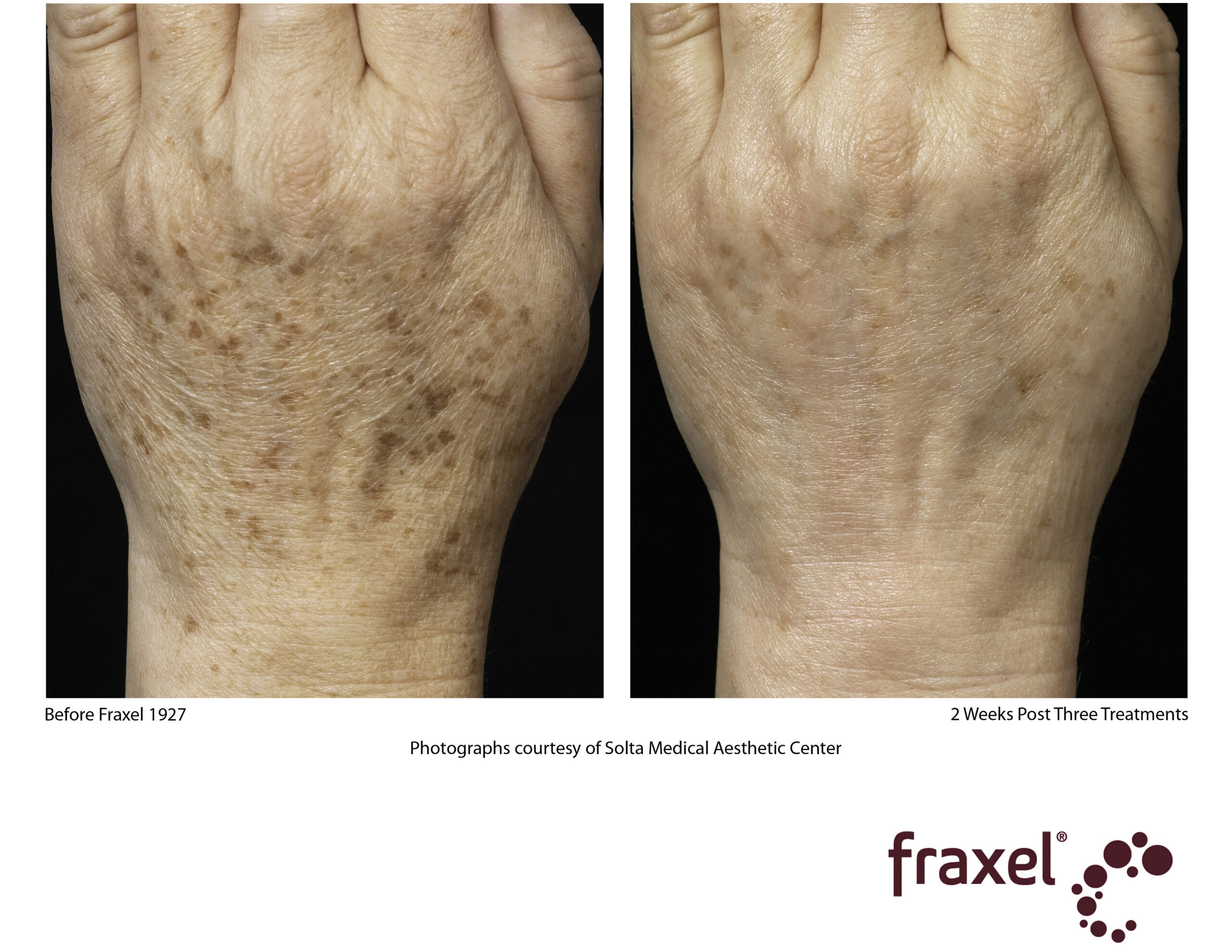
- Sun damage and photoaging
- Age spots and brown spots
- Melasma
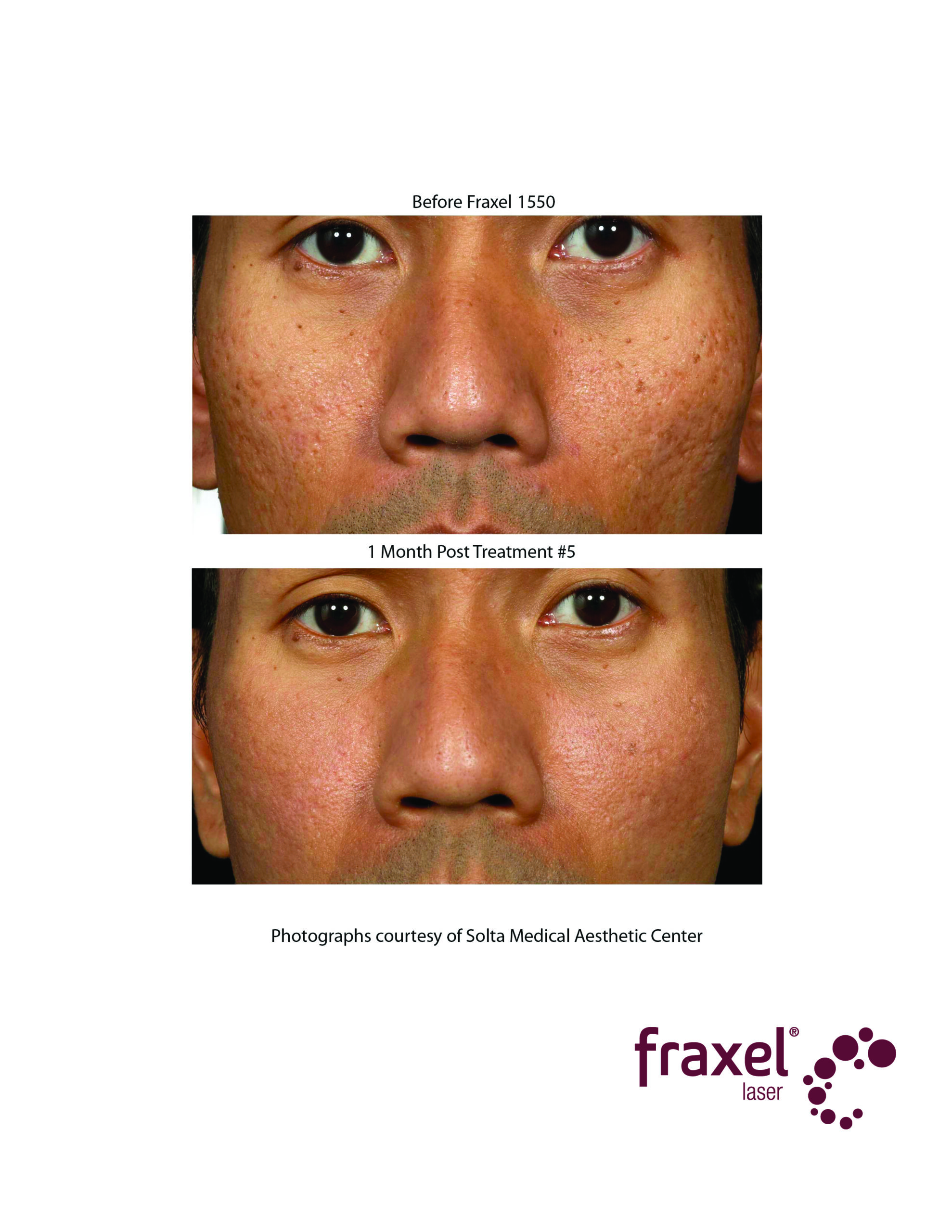
- Acne scarring and surgical scars
- Rough or uneven skin texture
- Actinic keratoses (precancerous sun-damaged lesions)
- Enlarged-looking pores
Because it is non-ablative, Fraxel Re:store can safely treat the neck, chest and hands — areas where more aggressive lasers carry a higher risk of scarring because the skin is thinner and heals more slowly.
What to expect on treatment day
Before
Your provider reviews your skin, your history and your medications at consultation, and gives you a prep protocol — typically pausing retinoids and stopping sun exposure ahead of your appointment. If you are prone to cold sores, you will be given an antiviral to start beforehand.
During
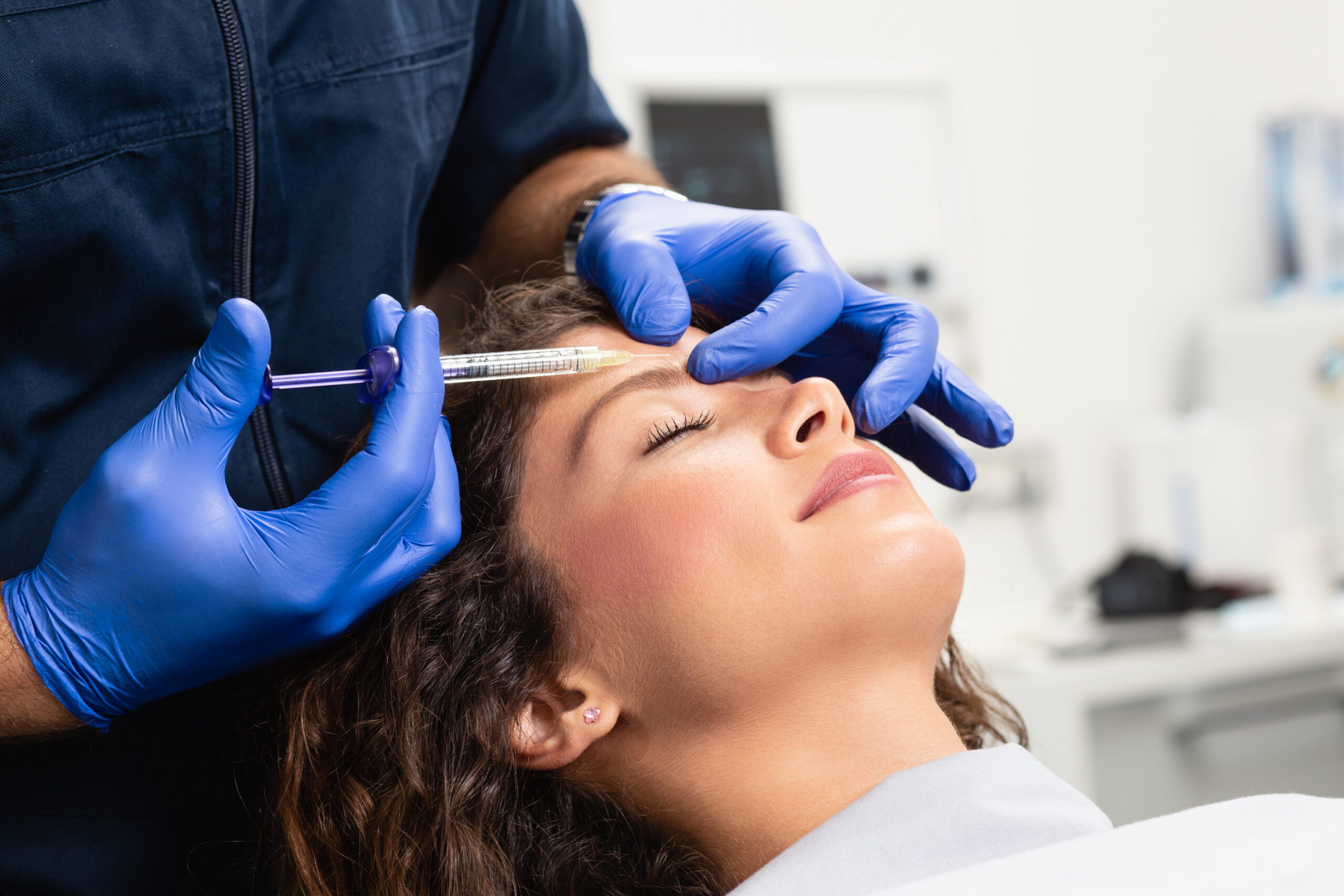
We apply a topical numbing cream and let it work for about an hour. The treatment itself takes roughly 20 to 45 minutes depending on the area. Most patients describe a prickling heat with each pass, cooled continuously by a stream of cold air. It is tolerable — most people talk their way through it.
After
You will leave looking and feeling sunburned. You can drive yourself home. Plan a quiet evening, cool compresses, and a bland moisturizer — no actives, no makeup that day.
Most patients need three to five sessions — we’ll map the schedule around your calendar.
When will I see results?
You will see brightness within the first two weeks. The deeper work takes longer.
Most patients need three to five treatments spaced two to four weeks apart, and the full result builds over three to six months as collagen remodels. Scarring and deeper texture generally need the higher end of that range; tone and pigment often respond faster.
Results last for years with good sun protection — but Fraxel does not stop new sun damage from forming. Daily broad-spectrum SPF is what protects the investment.
Is Fraxel Re:store right for you?
Fraxel Re:store is a good fit if you want meaningful improvement in tone, texture, scarring or sun damage, and you would rather have several sessions with short recovery than one treatment with a long one.
We may recommend waiting, or a different approach, if you:
- Are pregnant or nursing
- Have an active breakout, infection or cold sore in the treatment area
- Are recently tanned or sunburned
- Have taken isotretinoin within the past six to twelve months
- Have a history of keloid scarring
- Have a deeper skin tone — Fraxel can be used safely, but settings and pigment precautions matter enormously, which is a good reason to be treated by a dermatologist rather than a spa
Fall and winter are the ideal time to start a Fraxel series in Northeast Ohio. Shorter days and less sun exposure make the sun-protection requirements far easier to keep, and you finish the series ahead of spring.
Why have Fraxel done at a dermatology practice
Fraxel is a medical device, and results depend almost entirely on the settings chosen for your skin. Too conservative and you have paid for nothing; too aggressive and you risk pigment change or scarring, particularly in deeper skin tones.
At The Parker Skin & Aesthetic Clinic, laser treatments are performed under the direction of board-certified dermatologists who treat medical skin disease alongside cosmetic concerns. That means the person choosing your settings can also recognize the mole that should be biopsied, and knows how your rosacea or melasma will respond before the first pass.
Fraxel Re:store FAQ
How much downtime does Fraxel Re:store require?
About a week. You can return to normal activity right away, but expect redness and swelling for one to two days, a bronzed appearance around days three and four, and flaking through about day seven.
How many Fraxel treatments will I need?
Most patients need three to five sessions spaced two to four weeks apart. Your provider will recommend a number based on what you are treating and how your skin responds to the first session.
What is the difference between Fraxel Re:store and Fraxel Re:pair?
Re:store is non-ablative — it works beneath the surface and is typically done as a series with about a week of downtime each time. Re:pair is ablative, removing surface tissue for a stronger result in a single treatment, with one to two weeks of recovery.
When can I wear makeup after Fraxel?
Usually the day after treatment, once your provider clears it. Mineral makeup is gentlest on healing skin. Avoid anything requiring vigorous removal.
How long do Fraxel results last?
Years, with consistent sun protection. Fraxel treats existing damage but does not prevent new damage, so daily broad-spectrum SPF 30 or higher is what preserves your result.
Is Fraxel safe for darker skin tones?
Fraxel Re:store can be used on a wide range of skin tones, but settings and pigment precautions are critical. This is a treatment worth having performed by a board-certified dermatologist experienced in treating skin of color.